
Draw no bet

Draw No Bet: Meaning, How It Works and When to Use It
Draw No Bet, usually shortened to DNB, is one of the simplest ways to back a team while protecting yourself against a draw. It is most commonly used in football and sits somewhere between backing a team to win outright and taking the safer Double Chance option.
For bettors who follow our football tips & predictions, DNB can be especially useful when we like one team but believe the draw is a realistic danger.
What Is Draw No Bet?

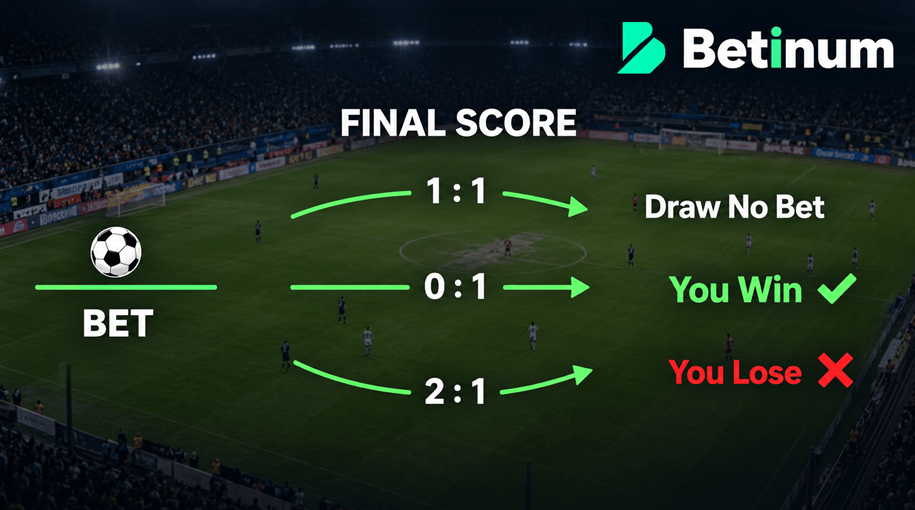
The Draw No Bet meaning is quite literal: you choose one team to win, but the draw is removed from the bet.
There are only three possible outcomes:
- Your selected team wins – the bet wins
- The match ends in a draw – your stake is returned
- The other team wins – the bet loses
So, unlike a normal 1X2 bet, a draw does not cost you your stake.
For example, imagine Chelsea are playing Liverpool and you back Liverpool Draw No Bet:
| Match result | DNB settlement |
|---|---|
| Liverpool win | You win |
| Draw | Stake returned |
| Chelsea win | You lose |
If the match finishes level, the selection is effectively settled at odds of 1.00 and your original stake comes back.
This is the simplest answer to what does Draw No Bet mean in football – you are backing a team to win while removing the draw as a losing outcome.
How Does Draw No Bet Work?
Draw No Bet works best when the two teams are reasonably close in ability and you have a preference for one side without being confident enough to back them on the normal win market.
Imagine Ajax are playing PSV and Ajax are priced at 2.20 to win. Their DNB odds may be somewhere around 1.50-1.80, depending on the bookmaker and the price of the draw.
You sacrifice part of the potential return in exchange for protection against one possible result. If Ajax win, your bet wins. If the match is drawn, your stake comes back. If PSV win, the bet loses.
That trade-off is the whole idea behind DNB.
When to Use Draw No Bet
The best time to use this market is when you believe a team is unlikely to lose, but you are less certain that it will actually win.
There are teams that are difficult to beat but draw frequently. In those situations, backing them outright can be frustrating. You may analyse the match correctly, watch your team control large parts of it and still finish with a 0-0 or 1-1.
DNB removes exactly that problem.
It can also be useful when a slight favourite is playing away from home, when two evenly matched sides meet, or when the match situation makes both teams more cautious than usual.
Draw No Bet Strategy
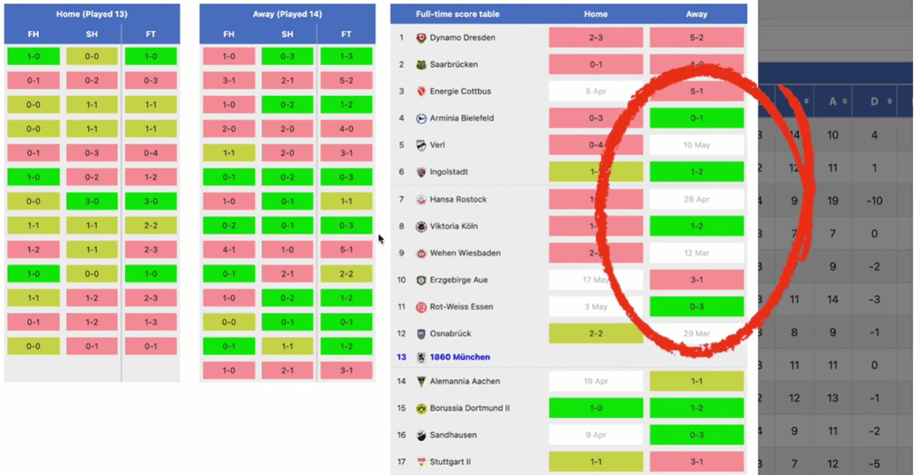
A good Draw No Bet strategy is not about using it every time you are afraid of a draw. If you constantly choose the safer option, you will also constantly accept lower odds.
We normally look at three things before using it:
- How realistic is the draw? – If the match is genuinely balanced, removing it can make sense.
- How much do the odds drop? – Sometimes the difference between the normal win price and DNB is simply too large.
- Would I still back this team without the safety net? – DNB should protect a good selection, not turn a weak one into a bet.
This is why the market works particularly well as part of a wider match analysis rather than as an automatic betting system. You can see the same principle in some of our top betting tips, where the market is chosen according to the match rather than forcing every game into the same type of bet.
Draw No Bet in Accumulators
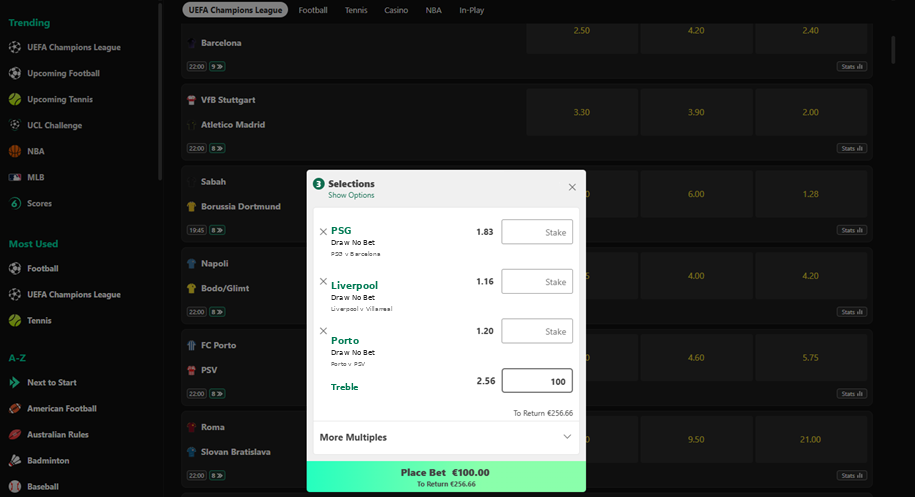
You can also use Draw No Bet in accumulators.
If the DNB selection wins, the acca continues normally. If that match finishes in a draw, the DNB leg is usually treated as void and settled at 1.00, while the remaining selections stay active.
For example, in a four-team accumulator:
- 3 selections win;
- the DNB selection ends in a draw;
- the DNB leg is removed;
- the bet effectively continues as a three-team accumulator.
This makes DNB useful when you want to include a team you trust without allowing a draw to destroy the entire acca.
Draw No Bet Is the Same as Asian Handicap 0.0
Draw No Bet and Asian Handicap 0.0 have the same basic settlement. If you have read our guide to Asian Handicap betting, you will already know that the handicap changes the starting position of one team. With a 0.0 handicap, neither side receives an advantage.
Using Chelsea – Liverpool again, if you back Liverpool Asian Handicap 0.0:
- Liverpool win – your bet wins;
- draw – your stake is returned;
- Chelsea win – your bet loses.
That is exactly what happens with Liverpool Draw No Bet. The terminology may be different and bookmakers may display the markets separately, but from the bettor’s point of view, the settlement is the same.
Where Draw No Bet Can Be Particularly Useful
DNB can be especially useful in competitions where teams are closely matched and the cost of losing is high. Knockout football is an obvious example because teams can become much more cautious when one mistake can decide the tie.
That makes it worth considering when analysing matches from competitions such as the Champions League, Europa League, European Championship and World Cup, as well as balanced domestic league fixtures.
Of course, the tournament itself is never a reason to use DNB. The important part is the individual matchup. A Champions League match between two attacking teams may have very little in common with a cautious knockout second leg between evenly matched opponents.
Conclusion
Every experienced bettor should understand the benefits and limitations of Draw No Bet. In practice, it is closely connected to Asian Handicap 0.0, but the name makes the idea particularly easy to understand.
Its biggest advantage is simple: it protects you from the draw without forcing you all the way down to Double Chance odds.
That protection comes at a price, however. You receive lower odds than you would by backing the team to win outright, so DNB makes most sense when the risk of a draw is significant enough to justify giving up part of the potential return.
If you think a team should win but can realistically imagine the match ending 0-0 or 1-1, Draw No Bet is one of the first alternatives worth checking before placing the normal match-result bet.