
Free transfers that will change bookmakers’ odds in 2026

Summer of the free agents has a logic all its own, one that’s different from the classic transfer window. There’s no negotiation between clubs here, no transfer fee, no toing and froing between managers and directors – there’s just the player, the contract, and a decision. It’s precisely the absence of eye-catching transfer fees, and the huge expectations tied to them, that sometimes makes free agents such a genuine challenge, even for professionals working in football predictions.
A club that lands a Champions League-level player without paying a single euro in transfer fees effectively has more budget left over for wages. And that means a squad’s strength can jump noticeably, without the market immediately reflecting it in the odds. The chain is simple on the face of it – the transfer changes the squad’s strength, the squad’s strength changes expectations, expectations change the odds.
The problem is that this chain doesn’t play out instantly. And it’s precisely in that lag between what’s happening on the pitch and the market’s reaction that the potential value lies – the value we here at the Betinum team are looking for.
The players who can change the balance of any championship
The list that follows isn’t just a collection of familiar names and impressive résumés. Every one of these players has the qualities to genuinely reshape the team that decides to take a chance on them.
Whether that’s through more goals and creativity, greater defensive stability, or control over the game in midfield. And when a team’s strength shifts, the expectations around it inevitably shift too – from title and Top 4 chances right down to the odds on individual matches.
Mohamed Salah
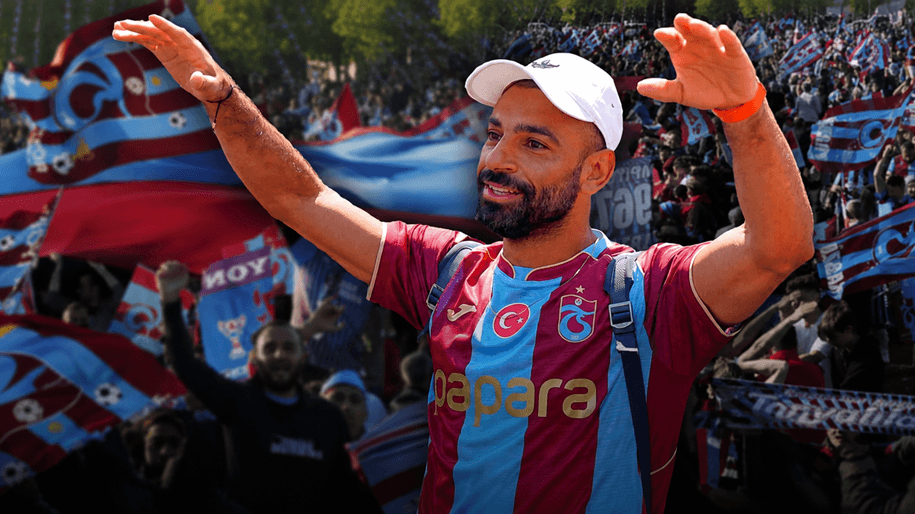
After nine seasons at Liverpool, 34-year-old Salah is now officially a Trabzonspor player – a transfer few would have predicted even a month ago. The deal runs for two years, worth €17m a year in wages, making the Egyptian the highest-paid footballer in Turkey’s Süper Lig. The contract also includes 20% of revenue from shirt sales bearing his name, and with bonuses tied to sporting targets, the deal’s total value reaches €34m.
For Liverpool, losing a player who’s been a constant in the attacking line in recent years – goals, assists, pressing, leadership – is a real blow, especially during the turbulent spell the club’s going through following Andoni Iraola’s arrival. For Trabzonspor, who finished third last season and won the Turkish Cup, this is a transfer that changes the club’s status and the expectations around their Europa League campaign this autumn.
Dušan Vlahović

Vlahović is now a free agent after his contract with Juventus expired on 30 June, with renewal talks collapsing over a wage dispute – the club offered a one-year deal worth €8m a season, down from his previous €12m.
Beşiktaş are currently the most active in pursuing the Serbian striker, with an offer of €10m a year plus a solid signing bonus, under Vincenzo Italiano – the manager under whom Vlahović scored 17 goals in 21 matches at Fiorentina, the strongest spell of his career. The Turkish club have set a deadline for the end of next week.
At the same time, Atlético Madrid are running their own negotiations, weighing up deal details that would let them keep hold of Alexander Sørloth in the squad too. Barcelona remain Vlahović’s dream destination, but there’s been no concrete move from the Catalans so far.
The player’s own hopes of offers from Milan, Napoli, Arsenal or Manchester United haven’t materialised – which says plenty about how the market has reassessed his value following his difficult spell in Turin.
Ibrahima Konaté
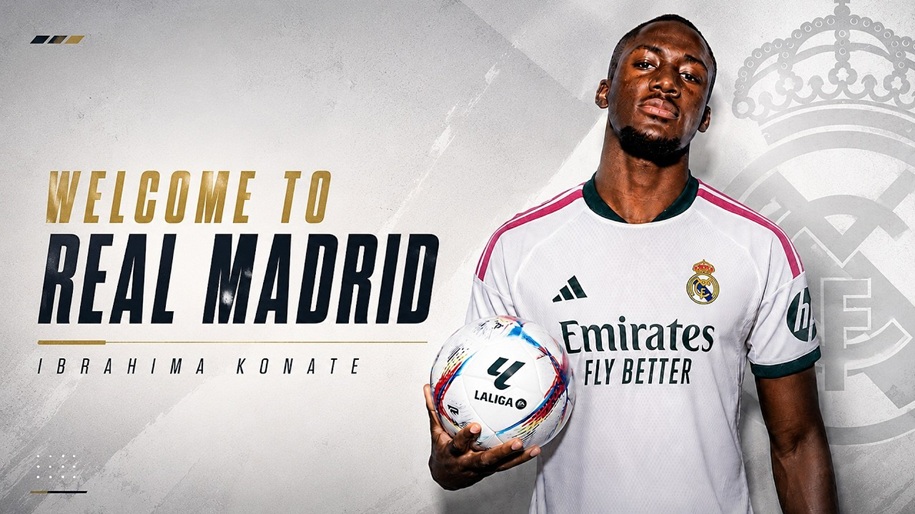
The French centre-back has officially signed for Real Madrid on a free transfer, after his contract with Liverpool expired on 30 June – a four-year deal that ties him to Los Blancos until the summer of 2030, with a reported signing bonus of around €20m. Real have singled him out as one of their first additions for the new season, and president Florentino Pérez personally confirmed the transfer.
New Liverpool manager Andoni Iraola inherits a squad with noticeable gaps in exactly the positions vacated by the departures of Konaté and Salah. For Real Madrid, on the other hand, this is yet another example of their strategy of bringing in top talent on free transfers – Konaté joins the competition for places alongside Antonio Rüdiger and Dean Huijsen in defence.
Franck Kessié
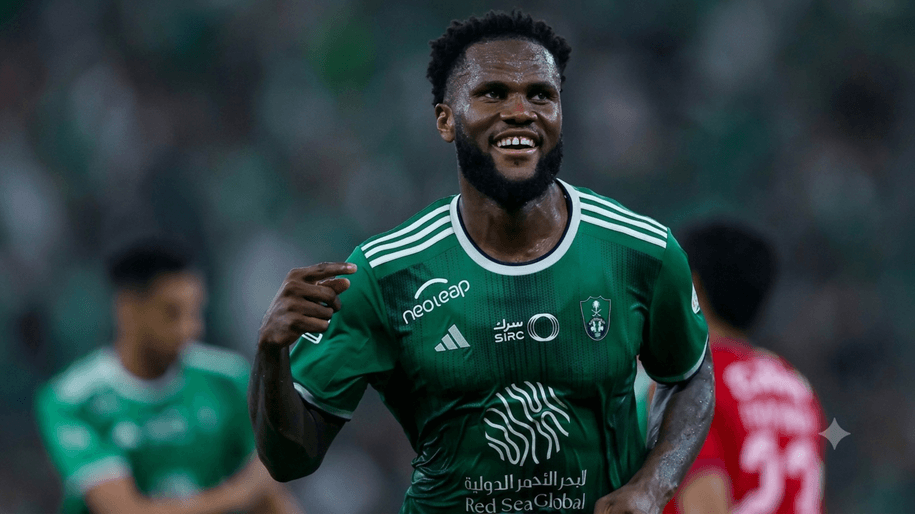
29-year-old Kessié put in a strong showing at the World Cup in the US, Canada and Mexico, and that boosted Juventus’s interest in him. The club sees him as a ready-made leader for Luciano Spalletti’s developing project, with sporting director Riccardo Massara – who worked with the player back at Milan – a key factor in the negotiations. Kessié clearly prefers Turin over the offers from Turkish clubs, but talks are currently stalling – Juventus’s opening offer was €3.5m net a season over three years, which the Ivorian turned down.
The player is prepared to wait and only respond to the Turkish offers once the main European transfer window has closed, since the Turkish one stays open longer. His move to Juventus would trigger changes in midfield too, with Teun Koopmeiners and Khéphren Thuram among those who could leave to make room for him.
Leon Goretzka
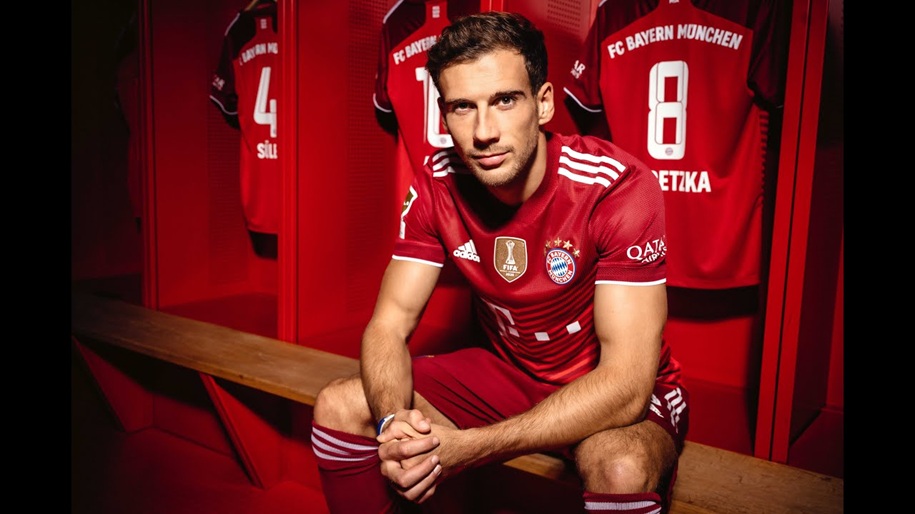
Goretzka’s story this summer transfer window shows just how quickly fortunes can turn, even for a top name in football. Back in May, it looked almost certain that the 31-year-old midfielder would sign for Milan – a three-year deal worth €5m a season plus solid bonuses, with manager Massimiliano Allegri personally talking him round to the project over the phone.
At that point the Italian club looked firmly out in front of the competition from Inter, Napoli and Juventus. A few weeks later, though, things changed sharply – the focus shifted towards the Premier League after talks with Serie A clubs broke down, and the debate around his performances at the World Cup with Germany muddied the picture further.
As of early August, Goretzka still has no new club, and even the rumours around his future have died down considerably. Few would have predicted such a turnaround three months ago, when he was considered one of the most sought-after free names in Europe.
Julian Brandt

Brandt’s move turned into one of the genuine surprise pickups of the summer. For a while it looked as though the 30-year-old German midfielder was heading for Leeds United, with interest from Fulham too, while Ajax quietly worked away in the background on a deal for months.
On 31 July, Ajax caught everyone off guard, announcing a three-year contract through to June 2029. Technical director Jordi Cruyff revealed that talks had run on for months, and that the good relationship between the two, along with Brandt’s own admiration for the club, proved decisive in his choice over the Premier League.
The German leaves Dortmund after seven seasons, 307 matches, 57 goals and 65 assists, and his final season – 11 goals and 4 assists in 41 matches despite the team’s inconsistency – shows he’s still a player capable of a real contribution.
For Ajax, this is another addition in a large-scale rebuilding campaign following a difficult 2025/26 season, in which the team finished just fifth in the Eredivisie – their lowest finish since 1963.
Bernardo Silva
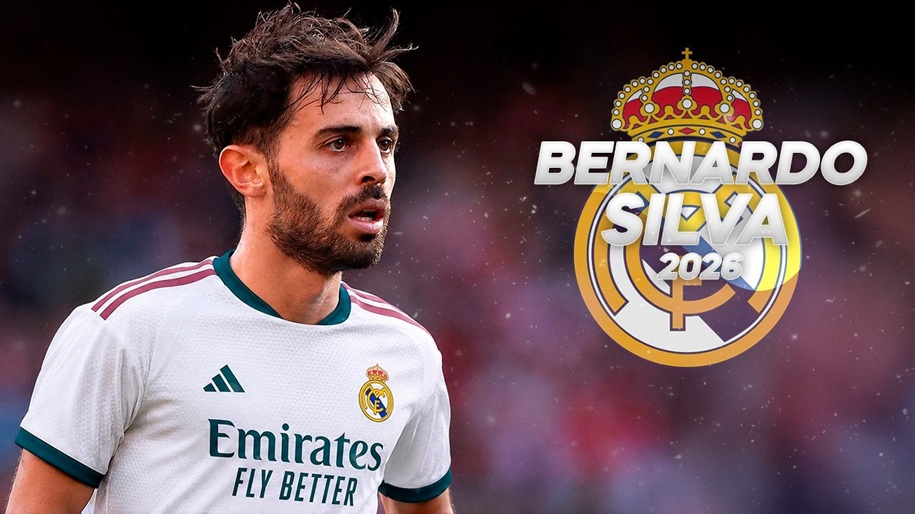
Bernardo Silva’s path to his new club turned into a proper saga – at various points he looked close to Barcelona, Atlético Madrid and even clubs from Turkey or the US.
The final outcome, though, is Real Madrid, confirmed by the club itself – a two-year deal through to 2028 on a free transfer, after nine seasons at Manchester City. According to Fabrizio Romano, the whole deal came together at lightning speed – from the start of talks to a final agreement in just 36 hours, with Los Blancos’ newly appointed manager José Mourinho personally identifying the 31-year-old Portuguese as a priority target.
Silva leaves City with an impressive haul – six Premier League and Champions League titles, 153 goals and assists combined. He joins Marc Cucurella, who arrived from Chelsea for €60m, in a string of new additions defining an ambitious summer for Real Madrid under their new managerial leadership.
How do free transfers affect the odds?

Bookmakers don’t wait for the season’s first match before recalculating their odds. Pre-season lines for the title, final standings and performances in European competitions get updated continuously throughout the summer. Every confirmed transfer shifts, to a greater or lesser degree, the model used to calculate a team’s potential. The trouble is that this process isn’t instant, and it isn’t even.
When a transfer is official with clear terms – like Konaté’s move to Real Madrid or Brandt’s to Ajax – the market reacts fairly quickly, because the data is concrete, and it’s exactly this kind of concrete data that also feeds our mathematical predictions. The updates happen far more slowly for transfers that are still in motion – as is the case with Vlahović or Kessié. Here, the odds shift gradually, based on rumour and expectation rather than confirmed fact, which means the models used by all the top bookmakers carry a degree of uncertainty well after the news has already done the rounds of the sports media.
It’s precisely in that gap – between the real change in a squad and the speed at which the market processes it – that the concept of a value bet lies. A bet where the odds offered by the bookmaker are higher than the real probability of that event happening. With our betting calculators, you can quickly check what real probability sits behind a given price, before judging whether the market has already “priced in” the transfer.
Where does the value lie?

Not every transfer on this list carries equal weight for the market. Deals that are officially finalised – Konaté to Real Madrid, Brandt to Ajax, Silva to Real Madrid, Salah to Trabzonspor – are already fully priced into the pre-season odds, since the information’s been public for weeks. Far more interesting are the cases of Vlahović and Kessié, whose situations are still developing – it’s precisely there that the market risks lagging behind reality.
Salah is a particularly interesting case. Trabzonspor enter the Europa League play-off round this autumn – a competition where having a player of Mohamed Salah’s calibre could shift the odds on progressing through the tournament far more noticeably than it would the club’s odds in the Turkish league, where they’re already the favourites.
Three questions every punter should ask themselves after a major transfer

- How much does the team actually improve? – It’s not enough for the new arrival to be a familiar name – they need to fit tactically with what the team needs. Salah in a system built around his strengths is a very different proposition from Salah forced into an unfamiliar style of play.
- How much of that improvement is already priced into the odds? – Bookmakers track transfer news closely – a large part of a transfer’s obvious impact gets factored in almost immediately after confirmation.
- What has the market not yet accounted for? – This is the key question. Chemistry with new teammates, the adjustment period in an unfamiliar league, a player’s mental state after a tough finish at his previous club – these are factors the models struggle to capture accurately, especially in the season’s opening weeks.
It’s precisely that third question that’s the “bridge” to our favourite value bets. The market reacts slowly to exactly these kinds of details – and that’s exactly where a bettor who bothers to dig deeper than the headline transfer name finds the real value. If you’re still wondering whether a best betting strategy actually exists, the value betting approach described above is one of the most solid answers out there.
If we missed something, add it in the comments