
The ultimate goal of value bets

The idea of value bets is not to win each of them but to make bets with a positive expected value (EV). In other words, bets have a better chance of winning than the bookmakers’ odds suggest.
For example, if we like an event that has a 1.70 odds and we see a real odds below 1.40 and that 30 percent difference is based on information we think the bookmaker has missed, it means we are potentially seeing a bet with a positive expected value.
How to find out if the bet is really worth it
We need to see the odds just before the start of the match. Win over Closing Line = Positive expected value. The closing factor shows us the most accurate probability of an event occurring. The reason for this is that the bookmakers have gathered all the information about this event so far, including the lineups, and are assessing the probability most correctly.
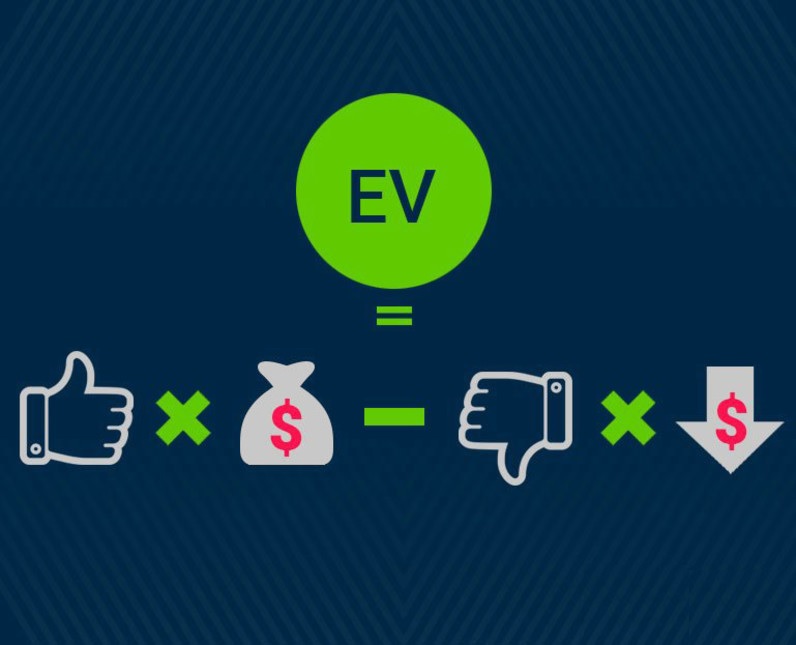
If most of our bets are placed at odds higher than the one available before the start of the match on the same bet, then in the long run this will most likely bring us a profit.
However, if the odds before the start of the match are higher than the one we bet on the same bet, then we have a negative value and in these cases, we are expected to lose in the future.
The results in the short term are not very important
Individual bets in the short term can bring us a profit at a negative value or a loss at a positive value. This is somewhat up to luck. In the long run, however, skills beat the luck and then it really becomes clear whether we really know how to win sports bets or not.
If you want to place bets with a positive expected value, you can take advantage of one of our subscriptions, where a huge percentage of bets have a positive expected value.
If we missed something, add it in the comments