
Draw Betting Strategy: When Is a Football Draw Worth Backing?

A good draw betting strategy begins by asking whether the chance of a draw is higher than the bookmaker’s odds suggest. Evenly matched teams and low expected goals can help identify promising fixtures, but neither guarantees a draw.
The challenge is finding a suitable price and knowing when to pass. There will be plenty of matches where a draw looks possible but the available odds simply aren’t worth taking.
What Is Draw Betting and How Does It Work?
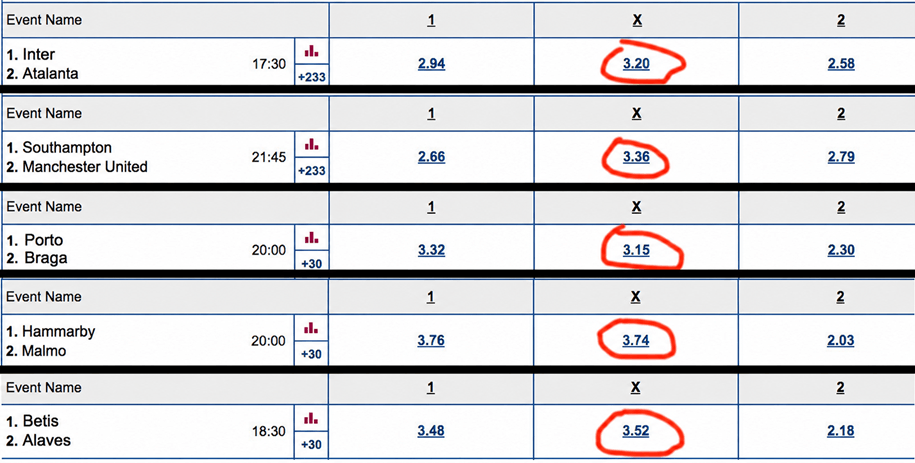
Betting on draws means selecting X in the full-time 1X2 market. The teams must finish level after 90 minutes plus stoppage time. Extra time and penalties are normally excluded, but check the bookmaker’s rules.
Draw odds are often higher than those on a clear favourite. A £20 stake at 3.20 returns £64, including £44 profit, if the match finishes level.
Which Football Matches Are More Likely to End in a Draw?
Teams With Similar Strengths
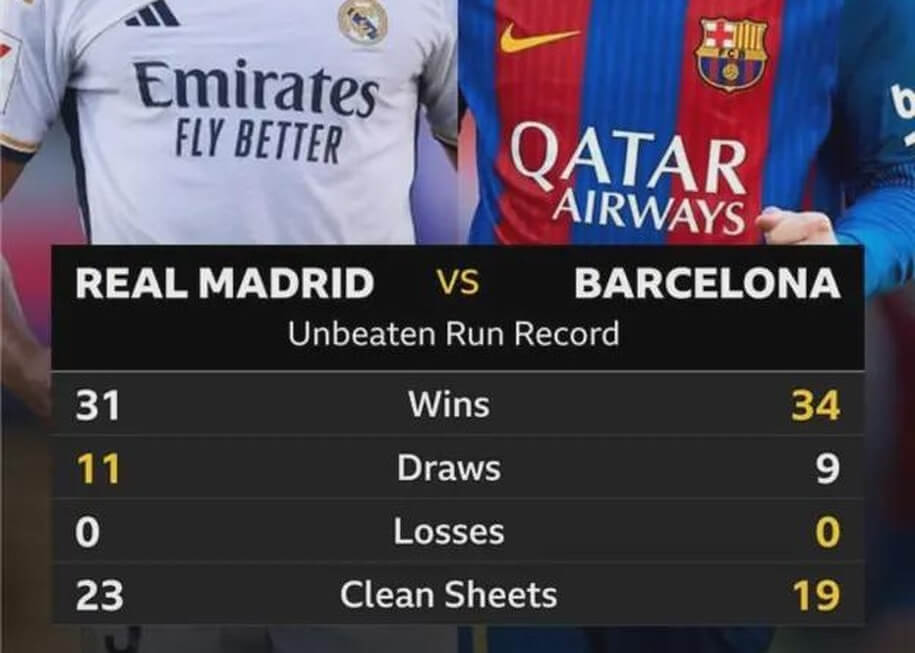
Start with matches where neither side has a clear advantage. Compare home and away performances, defensive records and recent opponents.
Two evenly matched attacking teams can still produce plenty of goals and a decisive result. That’s why team strength should be considered alongside the expected number of goals.
Matches With Lower Expected Goals
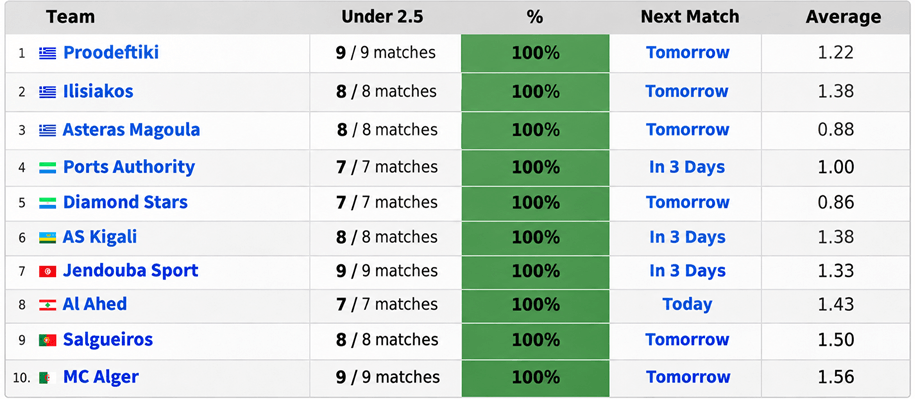
Where both teams have similar strengths, lower expected goal totals often make a draw more likely. A tight game with few chances leaves 0-0 and 1-1 firmly in play. In a high-scoring contest, there are more opportunities for one side to pull ahead.
The research by Mark Dixon and Stuart Coles from the Lancaster University examines football scoring patterns and the probabilities of low-scoring results.
There’s another interesting detail. A 1-1 scoreline can be the most likely individual result without a draw being the most likely match outcome. For example, a model might put 1-1 at 12% but all home-win scorelines together at 40%. Always consider the combined probabilities for home win, draw and away win.
Team Motivation and Match Circumstances
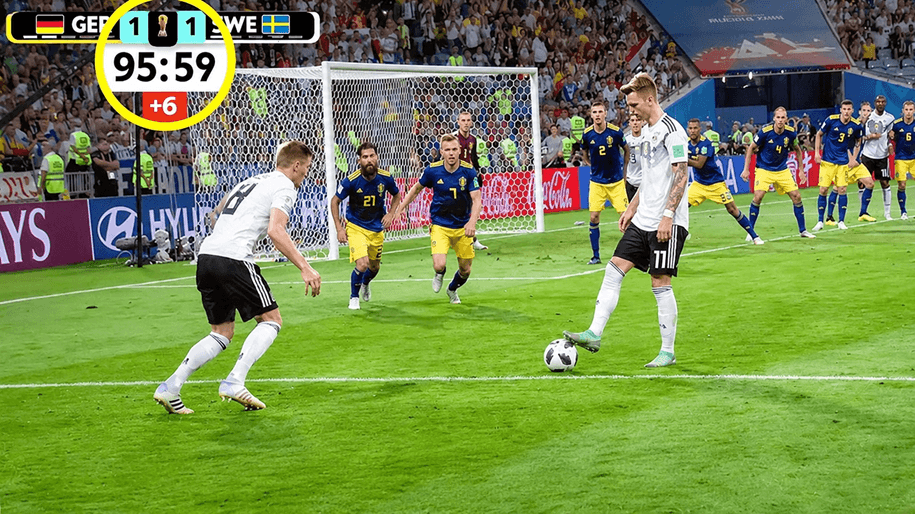
League position, absences and fixture congestion can influence the chances of a draw. A point might suit both teams late in a season, but that doesn’t mean they’ll deliberately settle for one.
Team news can also change an apparently balanced contest. Check the latest information before relying on an earlier assessment.
How to Find Value in Draw Betting Odds
A high price means little without a reliable probability estimate. The important comparison is between your assessment and the probability required to break even at the offered odds.
Assume your analysis puts the chance of a draw at 32%.
| Draw odds |
Min. break-even probability |
Expected return at 32% probability |
|---|---|---|
| 2.80 | 35.71% | -10.4% |
| 3.00 | 33.33% | -4.0% |
| 3.20 | 31.25% | +2.4% |
| 3.40 | 29.41% | +8.8% |
These figures depend on the 32% estimate being accurate. Bookmaker margins mean odds won’t reveal the true draw probability. Our guides to how betting odds work and expected value explain the calculations in more detail.
The over/under 2.5 goals market provides another useful check. Short odds on under 2.5 suggest fewer expected goals, supporting the case for a draw between balanced teams.
However, those odds cannot tell you the precise probability of a draw. The bookmaker may already have reflected the same information in its price for X.
How to Build a Practical Draw Betting Strategy
A consistent approach makes it easier to separate promising opportunities from matches that simply look close.
- Choose familiar leagues. Focus on competitions with reliable team news and enough historical data.
- Shortlist balanced fixtures. Compare team strength, home advantage, recent performances and expected goals using football statistics.
- Check the circumstances. Look at absences, scheduling and anything that could change the expected pattern of play.
- Price the draw. Estimate its probability, compare several bookmakers and consider only odds offering a reasonable margin above your break-even price.
- Record your decisions. Save estimated probabilities, available odds, stakes and results, including matches you considered but skipped.
Historical testing can help identify misleading patterns before real money is involved. Our guide to using historical data before starting a betting strategy explains how to examine past results without drawing conclusions from a handful of matches.
When Is Betting on a Draw a Bad Idea?
Common mistakes include backing X after three consecutive draws, assuming rivals will share the points or choosing a draw simply because the odds look generous.
Previous results deserve consideration, but a run of draws doesn’t automatically make another one more likely. Similarly, a high price is only attractive when the actual probability supports it.
Increasing stakes after several unsuccessful draws is another mistake. Bigger bets won’t correct poor estimates and can quickly damage your bankroll.
The timing of your bet matters too. A draw that looked attractive earlier in the week may offer little value after the odds shorten.
Can a Draw Betting Strategy Be Profitable Long Term?
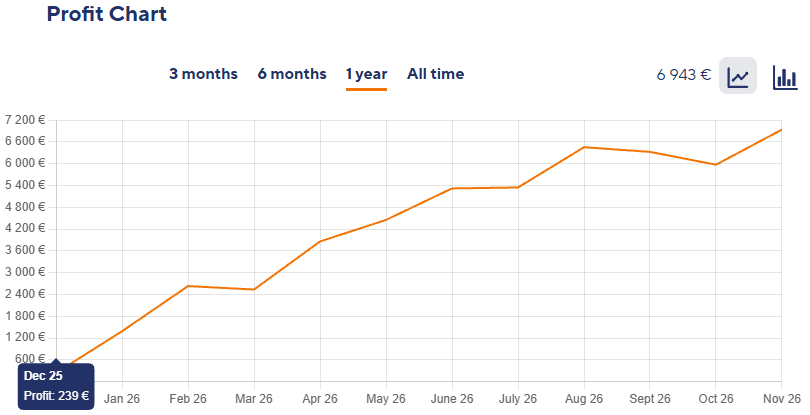
Finding value in draw markets is possible, but long-term profitability requires reliable probability estimates and consistently favourable odds. A handful of winning draws at 3.50 can make almost any strategy look impressive.
Track your profit, total stakes, actual odds and the accuracy of your estimated probabilities.
For example, if you assess 200 matches as having roughly a 30% chance of drawing, you’d expect around 60 draws. If only 40 finish level, your estimates may be too optimistic. Larger samples help determine whether this is a persistent problem.
A 2026 Bundesliga study published in the Journal of Sports Economics evaluates football forecasts by comparing predicted probabilities with observed results. The same principle can help you assess whether your own draw predictions are realistic.
A profitable run deserves attention, but accurate probability estimates provide stronger evidence that your approach is worth continuing.
What Is the Best Approach to Betting on Draws?
Look for balanced games, assess expected goals and estimate the draw probability before comparing it with the available price.
A draw betting strategy makes sense when the odds offer genuine value and the analysis supports the estimated probability. Some weeks, that may mean finding no suitable bets at all.
Keep stakes within limits you can afford. Even well-researched selections lose, and no strategy guarantees a profit.
If we missed something, add it in the comments