
When Should You Cash Out?

There’s one match left on your accumulator. Every other selection has won, and your potential payout is £200. Your bookmaker is offering you £125 to cash out right now. Do you take the money or wait for the final whistle?
Most bettors make this decision based on the amount they see on the screen and the fear of losing it. But cashing out isn’t always the best option, even when it guarantees a profit. To decide whether it’s worth it, you need to understand how the offer is calculated and what you’re actually giving up by accepting it.
What Is Cash Out in Betting?
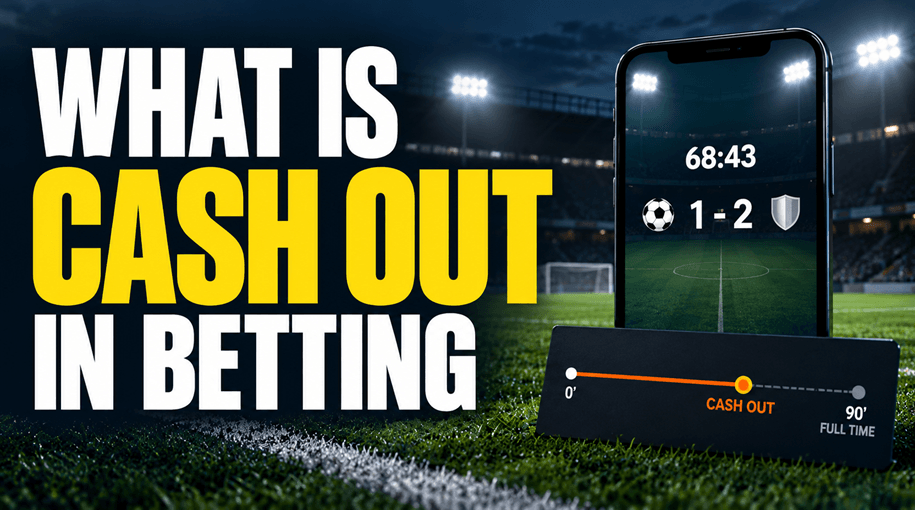
Cash Out is a feature that allows you to settle your bet before the event finishes in exchange for an amount offered by the bookmaker. That amount can be higher or lower than your original stake, depending on how the match develops and how the betting odds change.
There are two main options:
- Full Cash Out – You accept the offered amount and the entire bet is settled, regardless of the final result.
- Partial Cash Out – You settle part of your bet and receive some money immediately, while the remaining portion stays active.
It’s also worth remembering that Cash Out isn’t only about securing a profit. You can use it when a bet is going against you to recover part of your original stake rather than risk losing the full amount.
How Do Bookmakers Calculate Cash Out Offers?
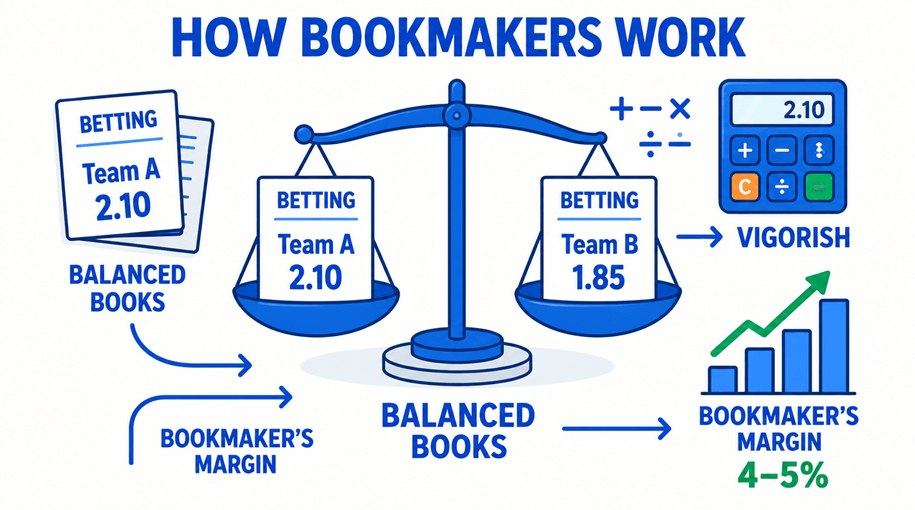
The amount you’re offered isn’t random. Bookmakers use their current assessment of how likely your bet is to win, the potential payout and their own pricing rules to calculate the offer.
If you’ve backed a team to win and they go 2-0 up, your Cash Out value will probably increase. But an equaliser, a red card or another major event can cause the offer to drop sharply. Bookmakers also typically apply an additional margin, meaning you receive less than the approximate market value of your bet.
That’s why a Cash Out offer shouldn’t automatically be treated as a good deal. The convenience of getting your money early often comes at a price.
Full Cash Out, Partial Cash Out or Letting Your Bet Run?
Let’s look at a practical example. You’ve placed a £20 bet at decimal odds of 5.00, giving you a potential total return of £100. The bet is going well and your bookmaker is now offering £54 for a full Cash Out.
Here’s how the three options compare:
| Decision | If the bet wins | If the bet loses |
|---|---|---|
| Full Cash Out | 54 £ | 54 £ |
| 50% Partial Cash Out | 77 £ | 27 £ |
| Let the bet run | 100 £ | 0 £ |
These figures represent total payouts, not net profit. For the partial Cash Out example, we assume the bookmaker pays £27 immediately, while the remaining half of the bet could return another £50.
A full Cash Out guarantees you £34 in net profit, but you give up the chance of collecting the full £100 return. With a partial Cash Out, you secure £27 immediately while keeping the possibility of an additional payout.
There’s another thing I’d always check before making that decision: what is the bet actually worth right now?
If you estimate the chance of winning at 60%, the expected payout from letting the bet run is £60 (£100 × 0.60). The £54 Cash Out offer is £6 lower. This doesn’t mean your bet is guaranteed to win. It simply means that, based on your assessment, cashing out offers less value than keeping the bet active.
Of course, if your probability estimate is wrong, your calculation will be wrong too. To compare your own assessment with the probability implied by the bookmaker’s odds, you can use our betting odds calculator.
When Does Cashing Out Make Sense?

When You Want to Reduce Your Risk
Sometimes taking a smaller guaranteed amount feels better than risking everything for a larger payout. There’s nothing unreasonable about that, provided you understand how much potential value you’re giving up.
The decision may make sense from a risk management perspective and based on your personal tolerance for risk, even if it isn’t the best option mathematically.
When the Situation in the Match Has Changed
Imagine you’ve backed a team to win. They’re leading 1-0, but then one of their players gets sent off during the first half. Your original assessment of the match may no longer be accurate.
In that situation, it makes sense to reassess their chances of winning and compare your updated estimate with the Cash Out offer. The important thing is to respond to what has actually changed in the match, rather than simply reacting to the fear of losing.
When the Cash Out Offer Is Good Enough
If the amount offered is close to what you believe your active bet is genuinely worth, cashing out becomes worth considering.
An interesting perspective comes from research published in the Journal of Mathematical Psychology. The researchers examined how attitudes towards risk, fear of losses and the way people perceive probabilities influence Cash Out decisions. Their analysis also suggests that partially cashing out can be the preferred option under certain circumstances.
When Is Cash Out Usually a Bad Idea?
One of the most common mistakes is accepting every decent-looking Cash Out offer without comparing it with the expected value of the remaining bet.
| Situation | What you should check |
|---|---|
| You cash out whenever you're in profit | Are you regularly giving up a higher expected return? |
| The Cash Out offer looks too low | What is the current probability of your bet winning? |
| You want to cash out after a dangerous attack | Has anything actually changed your assessment? |
| Your bet looks likely to lose | Does the offer justify settling the bet early? |
| The offered amount keeps changing | Would it make sense to reassess the situation first? |
The real problem starts when cashing out becomes a habit driven by the tension of watching a match. You may repeatedly accept poor offers without realising how much value you’re giving away.
What Should You Check Before Accepting Cash Out?
Before settling your bet early, ask yourself a few questions:
- How much is the bookmaker offering me right now?
- What would the full payout be if my bet wins?
- What is a realistic probability of winning based on the information available?
- How much expected value am I giving up by accepting the offer?
- Am I making this decision based on my assessment, or do I simply want to avoid the stress of watching the rest of the match?
Remember that Cash Out isn’t guaranteed to remain available throughout the match. The bookmaker can change or remove the offer at any point.
The UK Gambling Commission explains this in its guidance on in-play betting and Cash Out. The British regulator points out that Cash Out offers can change significantly or disappear altogether as an event develops. It also requires licensed operators offering the feature to provide clear and accessible terms and conditions.
So, When Should You Cash Out a Sports Bet?
Cash Out certainly has its place in sports betting, but I wouldn’t use it simply because a bookmaker gives me the opportunity to take some money off the table. I’d first compare the offer with the current probability of winning and then decide whether the trade-off is worthwhile.
Sometimes taking a smaller guaranteed amount is a sensible decision. Other times, the offer is so low that letting the bet run makes more sense.
What matters isn’t simply securing a profit. It’s understanding what you’re giving up when you decide to settle your bet early.
If we missed something, add it in the comments