
Sports Betting Portfolio: How Professional Bettors Actually Build One

Imagine you have a £2,000 betting bankroll. Someone tells you to spread it across football, tennis, basketball and horse racing because diversification reduces risk. Sounds reasonable, doesn’t it?
But what if football is the only sport you genuinely understand? Suddenly, you’re risking money on three other sports where you have no real advantage.
A good sports betting portfolio isn’t about betting on as many sports as possible. It’s about concentrating on what you do best, using different ways to find value and making sure your entire betting operation doesn’t depend on one bookmaker.
What Is a Sports Betting Portfolio?

A sports betting portfolio is the combination of your betting bankroll, strategies, bookmakers and sources of betting opportunities. Managing it means deciding where your money goes, how much you stake and which approaches deserve your attention.
The term comes from investing, where spreading money across different assets can reduce exposure to individual investments.
But sports betting doesn’t work quite the same way. Adding another sport doesn’t automatically reduce your risk. If you have no edge in that sport, you’re simply adding more bets that may lose money.
The Diversification Myth: Why Betting on More Sports Isn’t Always Better
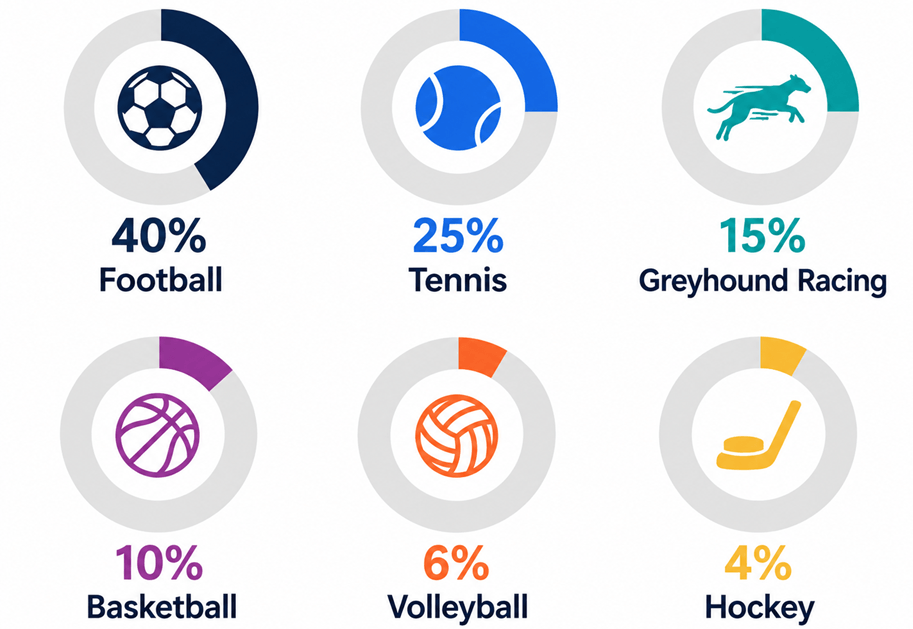
We’ve always preferred understanding one market properly rather than knowing a little about ten different ones. Let’s say you specialise in football player markets. You follow team news, understand tactical changes and know which statistics matter for certain players. That’s where your experience might help you identify a bookmaker’s mistake.
Now imagine spending half your bankroll on NBA and tennis matches because someone told you to diversify. Unless you’ve developed a reliable way to analyse those markets, what exactly have you gained? Bankroll diversification should reduce unnecessary exposure, not push you into markets you don’t understand.
There is an exception. If you follow verified tipsters or use specialist betting software, you can access opportunities outside your own expertise. But then you’re relying on someone else’s analysis or model, which brings its own risks. The important thing is knowing where your advantage comes from.
The Building Blocks of a Betting Portfolio
I wouldn’t define the different parts of a betting portfolio by sport. I’d define them by how each strategy identifies an opportunity.
Here are five approaches worth understanding:
| Strategy | Where the edge comes from | Time required | Risk of bookmaker limits | Scalability |
|---|---|---|---|---|
| Own value betting | Your analysis and market knowledge | High | Medium to high | Depends on market liquidity |
| Verified tipsters | An external expert's selections | Low to medium | Medium to high | Depends on available odds |
| Value betting software | Automated odds comparisons | Medium | High | Limited by bookmaker access |
| Arbitrage betting | Price differences allowing opposing bets | High | High | Often limited |
| Matched betting | Promotions combined with offsetting bets | Medium | High | Limited by available offers |
*These are general comparisons. Actual limits, time requirements and opportunities depend on the bookmaker, strategy and market.
You don’t need all five. In fact, I wouldn’t recommend adding another method until you understand how it works and whether it’s producing useful results.
For more detail on testing individual approaches, see our guide on using historical data before starting a betting strategy.
How to Allocate Your Bankroll: Focus on What You Know Best
If I had a £2,000 bankroll and a well-tested football betting strategy, I’d keep most of the money focused on that approach.
Here’s an example of how such a portfolio could look:
| Portfolio component | Allocation | Amount |
|---|---|---|
| Main value betting strategy | 70% | £1,400 |
| Verified tipsters | 20% | £400 |
| Other tested methods | 10% | £200 |
| Total | 100% | £2,000 |
This isn’t a formula everyone should follow. It’s an example of putting most of your capital behind the approach you understand best, while keeping smaller amounts available for other methods you’ve evaluated.
If you have no proven edge in a second strategy, there’s no reason to allocate money to it just to make your portfolio look diversified.
And remember that identifying value bets isn’t the same as guaranteeing a profitable outcome. Even a genuine advantage can come with long losing periods.
Staking: Why Flat Stakes Keep Things Simple
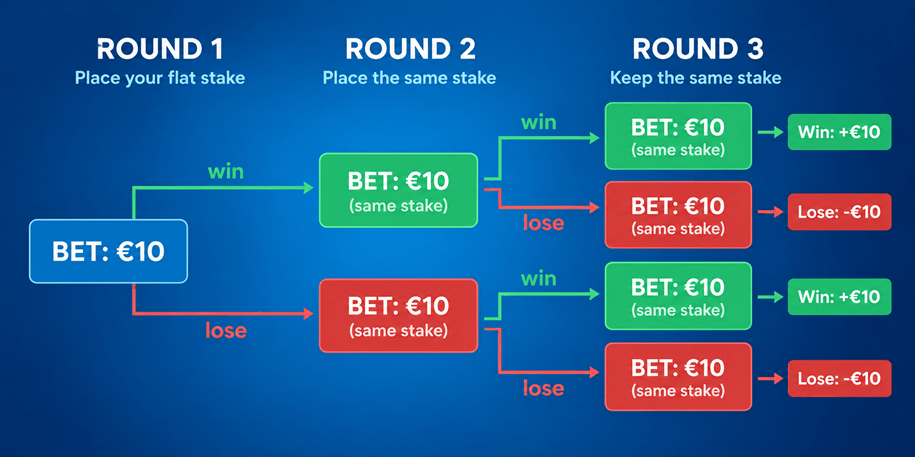
Complicated staking systems are often unnecessary. For most people, I’d rather use flat staking – the same amount on every qualifying value bet.
For example:
- Total bankroll: £2,000
- Stake per bet: 2%
- Actual stake: £40
With this approach, you don’t suddenly double your stake because the previous three bets lost. You follow the same rule until you review your bankroll and adjust the standard stake.
Martingale does the opposite by increasing stakes after losses. A long losing run can quickly make the required amount unaffordable. Kelly staking is more sophisticated, but its calculations depend heavily on accurately estimating your edge. Overestimating that edge can produce dangerously large stakes.
Flat staking is simpler to manage, although 2% isn’t automatically the safest amount for everyone. Several simultaneous £40 bets can still expose a substantial part of your bankroll. Our bankroll management guide covers the subject in more detail.
Why You Should Spread Your Bankroll Across Several Bookmakers
This is where diversification becomes genuinely practical. I’d rather have access to four or five licensed bookmakers than depend entirely on one. There are two main reasons.
1. Betting Limits

Some bookmakers restrict how much certain customers can stake, particularly on markets where they believe those customers consistently obtain favourable prices.
If one bookmaker reduces your limits, having other accounts means you aren’t completely dependent on that operator. Of course, those bookmakers can impose restrictions too, and every account must comply with its own terms.
You can learn more about these differences in our article on soft and sharp bookmakers.
2. Better Odds for the Same Bet
Imagine two bookmakers offering different odds for exactly the same selection.
| Bookmaker | Odds | Stake | Total return if successful |
|---|---|---|---|
| Bookmaker A | 1.95 | £40 | £78 |
| Bookmaker B | 2.05 | £40 | £82 |
The difference is £4 on a single successful bet, with exactly the same selection and stake. Across hundreds of bets, consistently obtaining better odds can make a meaningful difference to your overall results.
Research published in the International Journal of Forecasting examined odds from 41 bookmakers across 33,060 European football matches. The researchers found differences in market efficiency and identified certain opportunities when comparing the best available prices between bookmakers.
That’s a good reason to compare odds rather than automatically using whichever betting account you opened first. Our betting odds calculator can also help you understand the probabilities behind those prices.
Just remember that having multiple accounts doesn’t create extra money. Your bankroll remains one bankroll, regardless of how many bookmakers hold part of it.
Where Verified Tipsters Fit Into Your Portfolio

Not everyone has the time or knowledge to analyse matches independently. That’s where following a tipster with a verifiable record can make sense as part of a betting portfolio.
At Betinum, we focus on identifying value through football stats, analysis, statistical models and market information. We also maintain a publicly verifiable record of our betting results, so readers can examine actual performance rather than relying on selected winning slips.
Value betting software takes a different approach, typically identifying pricing differences through automated comparisons. Experienced tipsters may combine data with their understanding of teams, players and specific market conditions.
Neither method guarantees profit. Before trusting an external source, I’d examine its full betting history, including losing periods, recorded odds and whether those prices were genuinely available. We’ve also explained how to spot misleading betting strategies and tipster claims.
Common Sports Betting Portfolio Mistakes

Even a sensible portfolio can become difficult to manage if you develop bad habits.
The mistakes I’d watch out for are:
- Betting on too many sports without having a clear advantage in them.
- Keeping the entire bankroll with one bookmaker, leaving yourself dependent on its prices and restrictions.
- Increasing stakes after losses instead of following a consistent staking plan.
- Trusting unverified tipsters based on screenshots or impressive short-term results.
- Ignoring your total exposure, particularly when several strategies have active bets at the same time.
I would also keep a single record of every strategy, bookmaker balance and completed bet. You can use the approach described in our guide on tracking your betting results properly.
One detail worth remembering: several strategies can still be exposed to the same match or outcome. Using different tipsters doesn’t necessarily mean you’re taking independent risks.
Gamble responsibly – only bet money you can afford to lose, and never chase your losses!
If we missed something, add it in the comments