
How to make money from sports betting [step by step]

For context: I’ve been making a living from betting for 10 years, I’ve earned over €250,000, and I continue to earn money every month while helping thousands of people do the same.
I’ve made a lot of mistakes, which I’ll help you avoid with this post.
The odds are everything – forget the game

At the beginning, I only bet on events that I thought would happen. For example, I expected Liverpool to win, so I backed a Liverpool win without caring about the odds. I expected over 2.5 goals in a Barcelona match because the previous games had five goals, so I placed the bet.
Right now, we don’t care at all about what happens in the game; I’m only interested in whether the odds the bookmakers have set are right or wrong, because, as you well know, “it’s all math.”
It sounds complicated, but you’ll see it’s not at all:
Let’s say the probability of rain tomorrow is 80%. Someone approaches you and offers you €100 if it rains tomorrow, and if it doesn’t rain, you give them €100. In odds terms, this is equivalent to 2.00, because you double your stake if you win.
Would you take this bet?
Personally, I might not have before, but now I’ll take it 100 out of 100 times, and even if it doesn’t rain tomorrow, I’ll know I made the right choice because the odds offered for this event are 2.00, which implies a 50% chance, while the actual probability is 80%. 80% means that if I place this bet 100 times, it will come in 80 times and I’ll win €8,000; 20 times it won’t come in and I’ll lose €2,000.
So is it worth it? The fact is, it might not rain tomorrow, but I don’t care because I’ll come out ahead in the long run.
Otherwise, going back to the odds, an 80% chance is equal to 1/0.8 = 1.25 odds, and the bookie is offering you a €100 profit and a €100 loss, which we said is 2.00. That’s a bet on the mispriced odds.
The lesson I didn’t know when I started is that you shouldn’t care what happens in the game, but whether you’re making good deals – that is, betting on mispriced odds – because even if you lose 5-10 bets in a row, by always betting on mispriced odds, you will always, always come out ahead in the long run.
Accumulator bets are a trap (and here’s why)
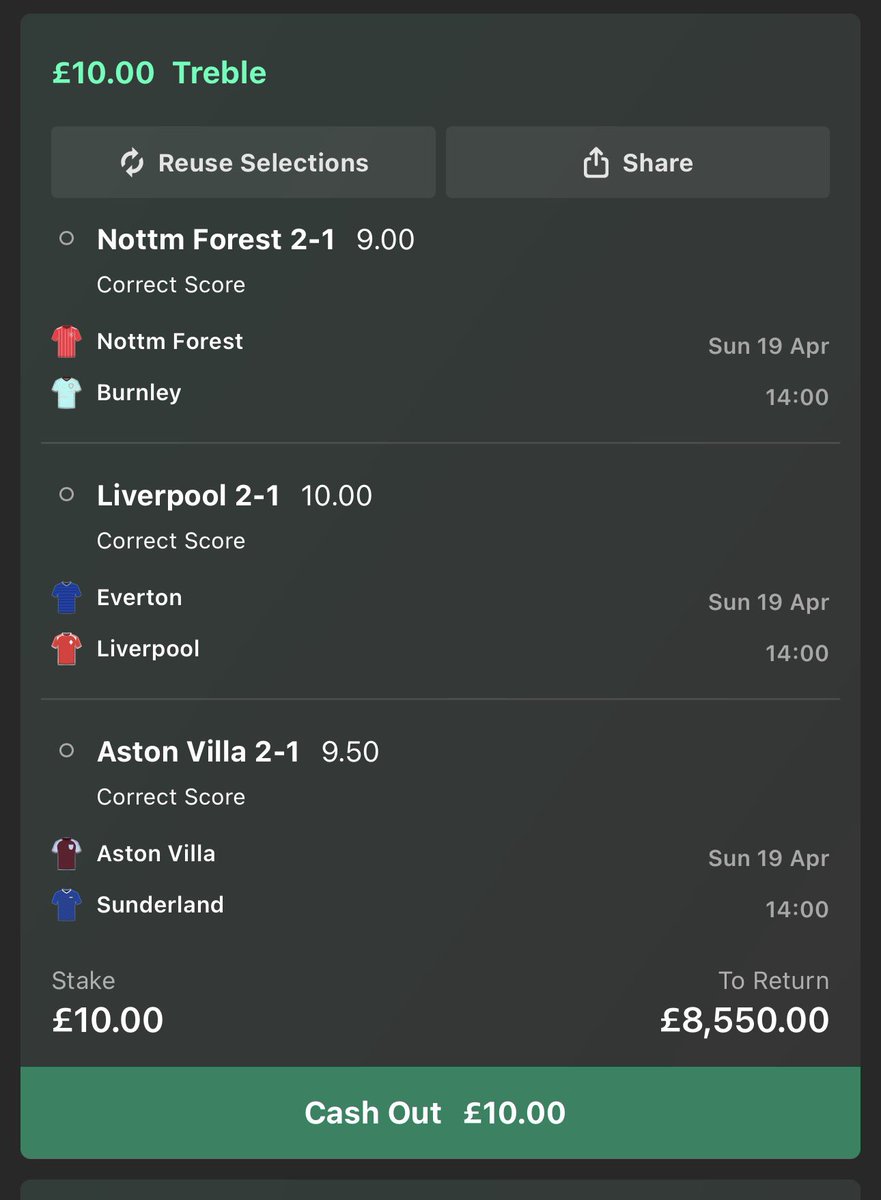
When I started, I only played accumulators, because:
- My potential winnings were higher
- I was betting £5-£10 per bet, and it wasn’t worth betting on singles
- The thrill of winning was many times greater than with a single bet
Of course, this is the first thing I wouldn’t do if I were starting now, but why? Because with every additional match, your chances of winning drop dramatically.
Naturally, I always missed one match, and I wondered how that was possible, but the reason is that with every added match, the chance that one won’t come in becomes higher and higher.
Speaking of columns, I’ll show you how bookmakers actually make money off you – a lesson I learned too late:
Imagine you’re running water through a filter that holds back 5%, leaving 95%. That filter is the commission, the bookmaker’s margin. If you add another filter that retains another 5%, it becomes 95% x 95% = 90%, meaning 10% of your water is now gone. And with 3 filters = 86%.
When you place bets in a parlay, the margin increases, but when you play singles, the margin remains 5% on each bet.
I think you now understand why the main source of revenue for bookmakers is people betting on accumulators – 95% of bookmakers’ revenue comes from them.
And if someone tells you they’re winning with accumulators, they’re simply not keeping track of their stats and only remember the wins.
The Champions League? Big mistake!

Another thing I used to do at the beginning was bet only on matches shown on TV. Of course – those were the matches I watched, the ones I understood. And having a bet on Liverpool is way more interesting than betting on some match in Morocco, right?
Everyone loves to bet on what they watch, but if you want to make money from betting, it won’t work if you only look at predictions for matches in the major leagues.
I already shared that you need to bet on mispriced odds, not on what you expect to happen.
Well, you’ll hardly find mispriced odds in the Champions League, because everything there is public: line-ups, tactics, strategies, coaching decisions, past events, statistics, and so on. In other words, bookmakers have calculated the probabilities perfectly with their heavy algorithms.
And for your average punter, all that’s left is to drink a beer after losing again.
What I would change if I were starting now is to focus on something the public doesn’t follow as much, like Handball, Volleyball, Football – Second Divisions, or player fouls in the Premier League – lower-profile (props) markets.
But definitely not Champions League goals, Premier League winner, and so on.
Martingale and chasing losses

And how much I loved the Martingale strategy… After every loss, I doubled my stake until I won. For example, I bet £10 – lose, then £20 – lose again, then £40 – win. So I’ve won £40 but lost £30, so my net profit is always equal to the first stake, in this case £10.
Later on, I realised this is very similar to chasing losses – emotional betting, increasing stakes when we’re losing.
Both have one thing in common: you always, always lose everything at some point. Because no matter how good you are, even the greatest bettor in the world will have long losing streaks, and your bankroll won’t be enough – you’ll lose it all.
With a first Martingale bet of £10 and 10 consecutive losing bets, your 11th bet needs to be £10,000. And that’s not even counting if the streak continues…
Bankroll management: patience is everything
What would I change if I were starting now? I’d choose my stake based on the money I have for betting. For example, I have £100 and I bet £5 per bet. Regardless of whether I’m losing, whether my bankroll drops to £50 or grows to £200. Until it reaches £500, I keep betting £5. After that, I increased to £10. Patience is key.
Keep track of your stats – otherwise you’re flying blind
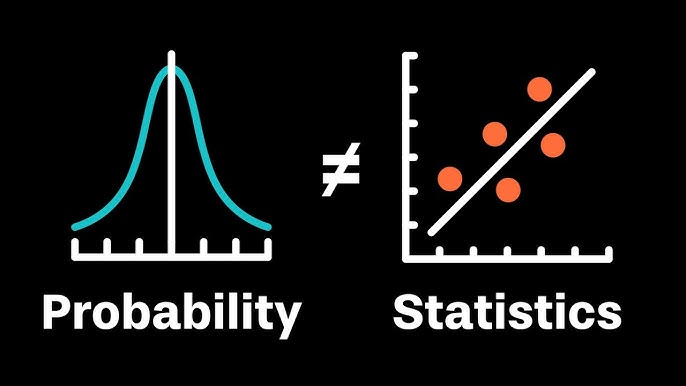
The fifth bad habit I had was not knowing what was going on – I’d deposit money, withdraw it, bet at another bookmaker, at a betting shop, and at one point I asked myself, “Am I actually winning, or do I just think I am?”
Imagine you’re in the forest and a fire breaks out a little ahead of you. You don’t know about it and keep walking. A little later, you see it and start running to the right, but the fire has already reached that spot. Now imagine you’re in a helicopter above the forest. You’ll see exactly where the fire is, right?
Keeping track of your stats gives you that “zoom out” perspective. That way, you’ll know whether you’re winning or losing. What percentage of all the money you’ve bet are you winning? You can filter this to see how you’re performing by league, by market, and so on.
To that end, I’ll remind you again: you must place each bet with the same amount. And don’t draw conclusions based on fewer than 100 bets, because that’s too small a sample size and luck could skew the results; but with a larger sample of 150–200 bets, for example, luck evens out, both good and bad, and you get fair results that truly reflect whether you’re a winner or not.
Knowing this will help you eliminate the emotional impact of losing or winning streaks, because they’re just a small part of the game.
Bet with multiple bookmakers
The next thing I’d change is the bookmakers.
Before, I only liked bet365 and only bet there, because they have every league and every market. But I realised that on many leagues, Sky Bet offers better odds. On the others – William Hill.
And odds are the prices at which we make deals. If you buy at low prices, you’re getting a bargain, right? In this case, low prices mean high odds.
By betting with multiple bookmakers, you achieve several things:
- You increase your long-term profit by 20%+
- You delay account limits
- You see many more opportunities
At Betano, for example, they once mixed up the names of the South American teams, and when you bet and lose, you can tell them the name is wrong and they’ll void the bet – meaning they’ll refund your money – so you have no chance of losing. People in our Discord group took full advantage of this glitch.
Every bookmaker has different opportunities, bonuses, etc., because to gain market share, they offer different things and different odds for different target audiences.
If I were starting now with £100, I’d deposit around £30-£35 into Bet365, Betano, and Skybet.
Avoid shortcuts

At the beginning, I often looked for shortcuts.
Casino. Welcome bonuses. Attractive bookmaker offers. Fixed matches. Promises of big profits from tipsters.
All of these are complete rubbish.
You can’t win from the casino. If you take a welcome bonus and win, they’ll limit you, and you won’t be able to clear the wagering and withdraw your money. The more attractive the offer, the more small print it has. Fixed matches are not available online. Promises of big profits or Instagram flexing are scams.
Value betting – the only strategy that works
To be honest, I’ve been in the sports betting industry for over 10 years.
I’ve tried arbitrage, exploiting bookmaker bonuses, betting software, and all kinds of other strategies.
And I know and am convinced of the best strategy that will always work.
That is value betting, or betting on mispriced odds. It’s no coincidence that the owner of Brighton, as well as that of Brentford in the Premier League have become multimillionaires thanks to it.
I’ve also made a lot of money and continue to do so, but I put my face behind my service, with fully transparent statistics for all bets my team sends on Telegram.
And why do we sell subscriptions for predictions when we make money from them? Naturally, because that’s how we make even more, but also because we help thousands of others earn a monthly salary. I’ve included a link to the channels in the video description.
If we missed something, add it in the comments